

What Is the Instant Cup of Noodles Burn Hazard?
Instant soup and noodle cups are widely used across the United States due to their convenience and low cost. However, these defective products may pose a serious safety risk because of their design.
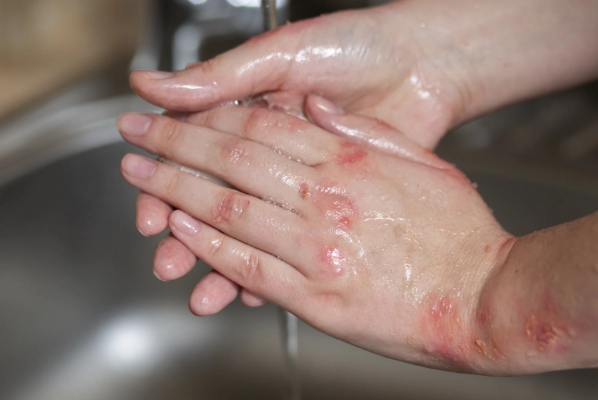
Most instant soup products come in tall, narrow containers made from lightweight materials such as Styrofoam. This structure can make them unstable and prone to tipping, even with minimal force. When filled with boiling water or heated in a microwave, these cups contain liquid at temperatures capable of causing severe burns within seconds.
If the container tips over, the hot liquid can spill directly onto the skin, often resulting in immediate and serious injury.
Why Instant Soup Cups May Be Dangerous
The primary issue in instant noodle cup burn cases is the design of the container. Research has shown that some popular instant soup cups can tip at angles as low as 22 degrees, making them highly unstable.
This instability creates a foreseeable risk, especially in households with children. A small bump, an uneven surface, or normal handling can cause the container to fall over. Because the contents are extremely hot, even a brief spill can lead to serious burns.
Manufacturers may also fail to provide adequate warnings about the risk of tipping and scalding injuries. In many cases, simple design changes, such as a wider base or more stable structure, could reduce the likelihood of these accidents.
Burn Injury Statistics and Medical Data
Medical studies and hospital reports highlight the widespread nature of instant soup burn injuries, particularly among children:
- Approximately 25 children per day in the United States suffer burn injuries from instant soup or noodle cups
- This equates to roughly 9,500 children between the ages of 4 and 12 each year
- Microwavable noodle soups account for about 20% of scald burn injuries treated in emergency rooms for children
- Surveys of burn centers report seeing hundreds of serious instant soup burn cases annually
- Liquids at 140 degrees Fahrenheit can cause third-degree burns in as little as five seconds
According to the American Burn Association, approximately 500,000 scald burns occur annually in the United States, with a significant percentage caused by hot food and beverages.
These burn statistics demonstrate that instant soup burn injuries are not rare accidents. They are a recurring and preventable safety issue.
Common Types of Instant Soup Burn Injuries
When hot soup spills onto the skin, it can cause a range of burn injuries depending on the temperature and duration of exposure.
First-Degree Burns
These burns affect only the outer layer of skin. Symptoms include redness, mild swelling, and pain. While they typically heal within a week, they can still be uncomfortable and require care.
Second-Degree Burns
Second-degree burns penetrate deeper into the skin and often result in blistering, severe pain, and an increased risk of infection. Healing can take several weeks and may leave permanent scars.
Third-Degree Burns
These are the most severe types of burns. They destroy all layers of the skin and may damage underlying tissue, nerves, and blood vessels. Treatment often requires surgery, including skin grafts, and can result in long-term disability.
Scald Burns
Scald burns are caused by hot liquids and steam. These injuries are especially common in instant soup cases and can cause deep tissue damage almost instantly.
Long-Term Effects of Burn Injuries
Burn injuries caused by instant soup spills can have lasting physical and emotional consequences. In many cases, victims require extensive medical treatment and long-term care.
Common long-term effects include:
- Permanent scarring and disfigurement
- Reduced mobility or loss of function in affected areas
- Chronic pain or sensitivity
- Emotional distress, anxiety, and depression
- Post-traumatic stress disorder (PTSD)
Children who suffer burn injuries may face additional challenges, including body image issues and the need for ongoing psychological support.
Who Is Most at Risk?
Children are particularly vulnerable to instant soup burn injuries. Their thinner skin is more susceptible to damage from high temperatures, and they are more likely to accidentally tip over unstable containers.
These injuries often occur in everyday situations, including:
- At home during meal preparation
- In school or daycare settings
- When caregivers are distracted or multitasking
- When children attempt to handle hot food on their own
However, adults can also suffer serious injuries, especially when containers are placed on unstable surfaces or handled improperly.
Who Qualifies for an Instant Soup Burn Lawsuit?
You or your child may qualify for a claim if:
- You suffered burn injuries from spilled instant soup or noodle cups
- The container tipped over easily or appeared unstable
- The injury required medical treatment, such as emergency care or hospitalization
- The product was used as intended
- You have documentation of the injury and the product
Claims may also apply if the incident involved negligence, such as serving soup at dangerously high temperatures in a restaurant setting.
Evidence Needed for a Claim
Building a strong instant soup burn lawsuit requires proper documentation and evidence. Important items may include:
- Medical records detailing the extent of the burn injuries and treatment
- Photographs of the injuries at various stages of healing
- The soup container or packaging, if available
- Receipts or proof of purchase
- Witness statements from anyone who observed the incident
- Records of communication with the manufacturer or retailer
Preserving this evidence can help demonstrate how the injury occurred and support your claim.
Compensation Available for Burn Injury Victims
Victims of instant soup burn injuries may be entitled to compensation for both economic and non-economic damages.
This may include:
- Medical expenses, including emergency care, hospitalization, and surgeries
- Future medical treatment, such as rehabilitation or scar revision procedures
- Lost wages or reduced earning capacity
- Pain and suffering
- Emotional distress and mental anguish
- Permanent scarring and disfigurement
In some cases, punitive damages may also be available if the manufacturer’s conduct is found to be particularly negligent or reckless.
Legal Claims Against Noodle Cup Manufacturers
Instant soup burn lawsuits typically involve product liability claims against manufacturers and distributors.
These claims may include:
Design Defect
The container was inherently unsafe due to its tall, narrow, and unstable design.
Failure to Warn
The manufacturer failed to provide adequate warnings about the risk of burns and tipping hazards.
Negligence
The company failed to take reasonable steps to ensure the product was safe for consumers.
Failure to Implement Safer Alternatives
Manufacturers may be held accountable for not adopting simple design improvements that could reduce the risk of injury.
Why These Cases Matter
Instant soup products are used by millions of people every day, including children. Consumers expect these products to be safe when used as intended.
When a product’s design creates a preventable risk of serious injury, manufacturers may be held responsible. These lawsuits not only help injured individuals recover compensation but also encourage companies to improve product safety.
Instant Soup/Ramen Burn Lawsuit FAQs
Can you sue for a ramen or instant soup burn injury?
Yes, you may be able to file a lawsuit if you or your child suffered burn injuries caused by spilled instant soup or ramen. Claims are typically based on defective product design, especially if the container was unstable and tipped easily.
Why are ramen and instant soup cups dangerous?
Many instant soup and ramen cups are tall, narrow, and lightweight, which makes them easy to tip over. When filled with boiling water or microwaved, they contain liquid hot enough to cause severe burns within seconds if spilled.
What types of injuries are caused by instant soup burns?
Instant soup spills can cause first-, second-, and third-degree burns. In severe cases, victims may suffer permanent scarring, nerve damage, or require skin grafts. Children are especially vulnerable to these injuries.
How hot does ramen or instant soup get?
Ramen and instant soup can reach temperatures above 140°F, which is hot enough to cause third-degree burns in as little as five seconds of skin contact.
Who is most at risk for instant soup burn injuries?
Children are at the highest risk due to thinner skin and a higher likelihood of accidentally knocking over containers. However, adults can also suffer serious injuries from unstable soup cups.
Contact Us for a Free Case Review
If you or your child suffered noodle cup burn injuries, you may have legal options.
Neiman Injury Law Firm is actively investigating instant soup burn injury claims and can help you determine whether you qualify for a lawsuit. A consultation is free, and there is no obligation to move forward.
Contact us today at 312-581-1000 to discuss your instant soup burn injury claim.