

What Is the 2026 Jalapeño Salmonella Outbreak?
Federal and state health officials investigated a multistate outbreak of Salmonella Javiana linked to fresh jalapeño peppers grown in Sinaloa, Mexico. Traceback identified a single common grower, and the peppers were imported and distributed in the United States by Coast Citrus Distributors.
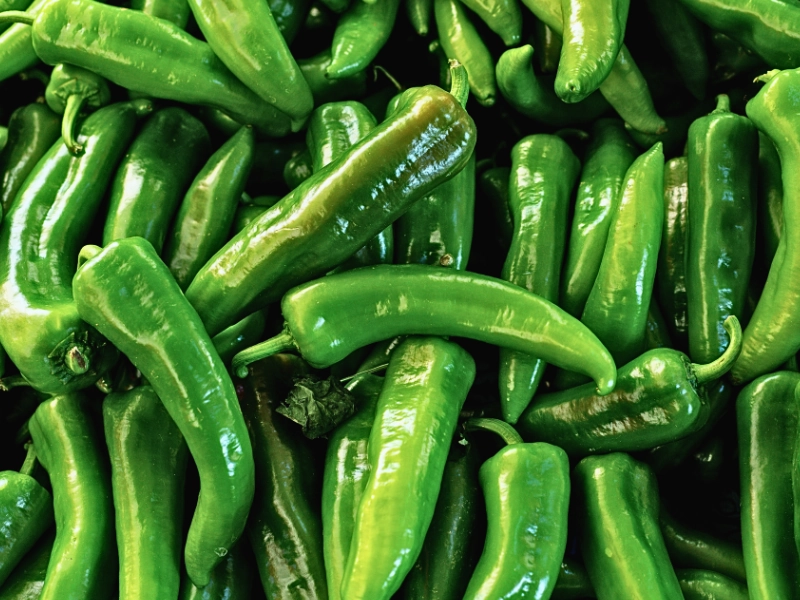
Both Chipotle and QDOBA received jalapeños supplied through Coast Citrus. Investigators also identified multiple illness clusters connected to Mexican-style restaurants, where jalapeños were the leading common ingredient across those clusters.
The outbreak also expanded beyond restaurant exposures. Taylor Fresh Foods recalled numerous packaged products containing the implicated jalapeños, including salsas, pico de gallo, dips, and guacamole distributed to retailers in multiple states.
How Many People Became Sick?
As of the August 10, 2026 update, health officials reported:
- 345 illnesses
- 36 hospitalizations
- No reported deaths
- Cases across 27 states
- Illness onsets from June 19 through July 20, 2026
Illinois was among the states with a significant number of reported illnesses.
The actual number of people affected may be higher because some individuals recover without seeking medical care or are never tested for Salmonella.
How Were Jalapeños Linked to the Outbreak?
The epidemiological evidence strongly pointed to fresh jalapeños. Of 191 people interviewed during the investigation, 177, or 93%, reported eating at a Mexican-style restaurant before becoming ill. Investigators identified 27 illness clusters across seven states, and jalapeños were the leading common ingredient across those clusters.
Traceback then connected the peppers to a single grower in Sinaloa, Mexico, and to Coast Citrus Distributors, which imported and distributed the peppers in the United States.
This combination of patient interviews, illness clusters, ingredient analysis, and supply-chain traceback provided strong evidence identifying jalapeños as the source of the outbreak.
Is It Still Unsafe to Eat at Chipotle or QDOBA?
Federal health officials have stated that there is no ongoing risk from jalapeños currently being served at Chipotle or QDOBA.
Chipotle changed jalapeño suppliers for affected restaurants on July 20, 2026, and QDOBA stopped using the implicated jalapeños by July 28, 2026.
The outbreak investigation is therefore primarily relevant to people who became ill after earlier exposures.
The retail recall was different because some recalled packaged products had best-if-used-by dates extending through August 16, 2026.
What Retail Products Were Recalled?
Taylor Fresh Foods issued a recall involving packaged foods that contained the implicated jalapeños.
The affected products included:
- Salsa
- Pico de gallo
- Dips
- Guacamole
- Other prepared refrigerated products containing jalapeños
These products were distributed to numerous states and sold through major retailers, including Walmart, Target, Kroger, Trader Joe’s, Whole Foods, Stop and Shop, Hannaford, and others.
Consumers who purchased one of these recalled products may have been exposed even if they never ate at Chipotle or QDOBA.
What Is Salmonella Javiana?
Salmonella Javiana is a strain of Salmonella enterica, a bacterium that can cause an illness known as salmonellosis.
People typically become infected by consuming contaminated food or water. Salmonella can survive on raw produce and may spread through food processing, preparation, or handling.
Symptoms generally begin within 6 hours to 6 days after exposure, most commonly within about 12 to 72 hours.
Because this incubation period is relatively short, many people can identify a restaurant meal or food product they consumed shortly before becoming sick.
What Are the Symptoms of Salmonella Infection?
Common Salmonella symptoms include:
- Diarrhea, which may be severe or bloody
- Fever
- Abdominal cramps
- Nausea
- Vomiting
- Headache
- Dehydration
Most illnesses last about four to seven days. However, some people develop more serious infections that require emergency care or hospitalization.
Young children, older adults, pregnant individuals, and people with weakened immune systems may face a greater risk of severe complications.
What Are the Serious Complications of Salmonella?
In some cases, Salmonella bacteria can spread beyond the intestines and enter the bloodstream.
Serious complications may include:
- Bacteremia
- Sepsis
- Meningitis
- Endocarditis
- Osteomyelitis
- Severe dehydration
- Hospitalization
- Intensive care treatment
Some outbreak isolates also showed predicted resistance to several antibiotics, including medications commonly used to treat severe Salmonella infections.
For patients whose infection did not respond to initial treatment, antibiotic resistance may contribute to a longer or more complicated recovery.
Can Salmonella Cause Long-Term Health Problems?
Yes. Some people continue to experience health problems after the initial gastrointestinal illness has resolved.
One possible complication is reactive arthritis, an inflammatory condition that can cause joint pain, eye inflammation, and urinary symptoms. It may develop days or weeks after a Salmonella infection and can last for months or become chronic.
Another potential complication is post-infectious irritable bowel syndrome, which can cause persistent abdominal pain, diarrhea, constipation, or altered bowel habits long after the original infection.
These complications can significantly affect quality of life and may increase the damages associated with a foodborne illness claim.
Who Qualifies for a Salmonella Jalapeño Lawsuit?
You may have a claim if:
- You ate at Chipotle, QDOBA, or another Mexican-style restaurant during the outbreak period
- You ate salsa, hot salsa, or another item that may have contained jalapeños
- You consumed a recalled Taylor Fresh Foods product containing jalapeños
- You developed diarrhea, fever, or stomach cramps within about 6 hours to 6 days
- You tested positive for Salmonella
- You required emergency care or hospitalization
- You developed sepsis, bloodstream infection, reactive arthritis, or persistent gastrointestinal problems
A laboratory-confirmed infection provides especially strong evidence, but people who were never tested may still have a potential claim depending on the timing, symptoms, and exposure evidence.
Evidence Needed for a Salmonella Claim
Helpful evidence may include:
- Medical records
- Positive Salmonella test results
- Hospital and emergency department records
- Chipotle or QDOBA receipts
- Restaurant app order histories
- DoorDash, Uber Eats, or Grubhub records
- Grocery receipts or loyalty account records
- Packaging from recalled retail products
- Medical bills
- Pharmacy records
- Records showing missed work
- Communications with a state or local health department
Digital order history can be particularly important because it may show exactly what you ordered, what toppings were included, and when you ate the meal.
If possible, preserve screenshots or exports of restaurant and delivery app histories before those records become unavailable.
What Is Whole Genome Sequencing and Why Does It Matter?
Whole genome sequencing, or WGS, is a laboratory method used to compare the genetic makeup of bacteria collected from different patients.
If the Salmonella strain found in a patient’s sample matches the outbreak strain, that result can provide strong evidence connecting the illness to the outbreak.
People who tested positive for Salmonella may want to ask their healthcare provider or local health department whether their sample was sequenced and whether it matched the outbreak strain.
Compensation Available
People injured by contaminated food may be entitled to compensation for:
- Medical expenses
- Emergency room treatment
- Hospitalization
- Prescription medications
- Future medical care
- Lost wages
- Reduced earning capacity
- Pain and suffering
- Loss of normal life
- Long-term complications such as reactive arthritis or post-infectious IBS
The value of a claim depends on the severity of the illness, the length of recovery, and whether lasting complications developed.
Legal Claims in Salmonella Outbreak Cases
Potential claims may involve companies that grew, imported, distributed, prepared, or sold contaminated food.
Product Liability
Food contaminated with Salmonella may be considered defective and unreasonably dangerous when sold to consumers.
Negligence
Claims may involve failures in supplier verification, food safety, handling, preparation, inspection, distribution, or recall procedures.
Breach of Warranty
Consumers generally expect food sold by restaurants and retailers to be safe and fit for consumption.
Wrongful Death
If a foodborne infection contributes to a death, surviving family members may have additional legal claims.
What Should You Do If You Think You Were Exposed?
If you developed symptoms after eating food that may have contained the implicated jalapeños:
- Seek medical care if symptoms are continuing or severe
- Tell your provider about possible Salmonella exposure
- Preserve restaurant and delivery app order histories
- Save receipts and credit card records
- Keep recalled product packaging if available
- Preserve medical bills and treatment records
- Document days of work missed
- Write down when you ate the food and when symptoms began
If you tested positive for Salmonella, ask whether the sample underwent whole genome sequencing and whether it matched the outbreak strain.
Frequently Asked Questions
I ate at Chipotle and became sick. Could I have a claim?
Possibly. A large percentage of people interviewed in this outbreak reported eating at Mexican-style restaurants before becoming ill, and investigators identified jalapeños as the leading common ingredient. Whether you have a claim depends on when you ate, your symptoms, testing, treatment, and other available evidence.
I did not order jalapeños. Could I still have been exposed?
Yes. Jalapeños may have been included in salsa, hot salsa, pico de gallo, or other prepared ingredients even if you did not order sliced jalapeños as a separate topping. This is why preserving detailed order history can be important.
How quickly do Salmonella symptoms appear?
Symptoms generally begin between 6 hours and 6 days after exposure, with many cases developing within about 12 to 72 hours. If you remember what you ate in the days immediately before becoming ill, that information may help identify a possible exposure.
I was never tested for Salmonella. Is it too late to have a claim?
Not necessarily. Some people are treated for food poisoning or gastroenteritis without receiving a specific Salmonella test. Medical records, symptoms, timing, restaurant history, and other evidence may still be relevant. If you remain symptomatic, speak with a healthcare provider about appropriate testing.
What is whole genome sequencing?
Whole genome sequencing is a laboratory technique used to compare bacteria from an infected patient with bacteria identified in an outbreak. A genetic match can provide strong evidence that a person’s illness belongs to a specific outbreak.
I recovered, but now I have joint pain. Could that be related?
Possibly. Reactive arthritis can develop after a Salmonella infection and may cause joint pain, eye inflammation, or other symptoms. Post-infectious irritable bowel syndrome can also cause persistent digestive problems after the initial infection resolves. Discuss new or ongoing symptoms with your healthcare provider.
Is it still unsafe to eat at Chipotle or QDOBA?
Federal health officials have stated that there is no ongoing risk from the implicated jalapeños at those restaurants. The restaurants changed or stopped using the affected supply during July 2026. This investigation concerns people who were exposed before those measures were taken.
Were grocery store products also recalled?
Yes. Taylor Fresh Foods recalled numerous packaged products containing the implicated jalapeños, including salsa, pico de gallo, dips, and guacamole sold through several major retailers.
Has anyone filed a lawsuit over this outbreak?
Yes. A reported lawsuit was filed in federal court in Minnesota in August 2026 involving a person who allegedly became ill after eating at Chipotle and was later hospitalized with sepsis. A lawsuit does not establish liability, but it shows that litigation related to the outbreak has begun.
How long do I have to file a claim?
Deadlines vary by state and can be strict. Because medical evidence, restaurant records, and purchase histories may also become harder to obtain over time, potential claims should be investigated promptly.
Contact Us for a Free Case Review
If you or a loved one developed Salmonella symptoms after eating at Chipotle, QDOBA, another Mexican-style restaurant, or consuming a recalled product containing jalapeños, you may have legal options.
Neiman Injury Law Firm is investigating claims arising from the 2026 Salmonella Jalapeño outbreak and can help determine whether your illness may be connected to contaminated peppers.
Call Neiman Injury Law Firm today at 312-581-1000 for a free consultation. There are no attorney fees unless you win.