

What Is the FreeStyle Libre Recall?
In late 2025, Abbott initiated a medical device correction affecting certain FreeStyle Libre 3 and FreeStyle Libre 3 Plus sensors after internal testing revealed that some defective devices may provide incorrect low glucose readings.
The issue was traced to a manufacturing defect associated with a specific production line. Approximately 3 million sensors in the United States were potentially affected by this problem.
The U.S. Food and Drug Administration classified the issue as a Class I recall, the most serious type, indicating that continued use of the affected devices could lead to serious injury or death.
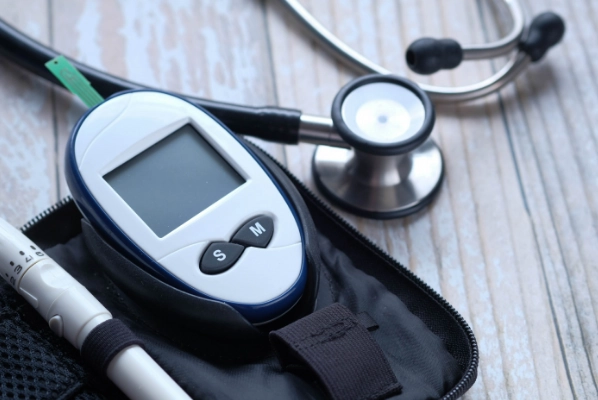
What Was Wrong With the Glucose Monitoring Devices?
The primary defect involved inaccurate glucose readings, specifically readings that were lower than the patient’s actual blood glucose level.
These falsely low readings can mislead users into believing their blood sugar is dangerously low when it is not. If undetected, this may result in incorrect treatment decisions, including:
- Skipping or delaying insulin doses
- Consuming unnecessary carbohydrates
- Failing to properly manage blood glucose levels
These errors can create serious health risks and may lead to acute or long-term complications.
Scope of Injuries and Reported Events
The defective glucose monitors have been associated with a significant number of adverse events. Reported data includes:
- Approximately 860 serious injuries linked to faulty sensors
- At least 7 reported deaths associated with the issue
These figures reflect confirmed reports and may not represent the full number of affected individuals.
Why Inaccurate Glucose Readings Are Dangerous
Continuous glucose monitors are designed to provide real-time data that patients rely on to make critical treatment decisions. When a device provides inaccurate readings, it can directly affect how a patient manages their diabetes.
If a device falsely reports low glucose levels, a patient may reduce insulin or take corrective actions that raise blood sugar unnecessarily. Over time, this can lead to dangerous spikes in blood glucose levels.
In other situations, inaccurate readings may prevent users from recognizing actual high or low glucose levels, delaying necessary treatment. Because CGMs are used throughout the day and night, even small inaccuracies can have cumulative effects on health.
What Is Continuous Glucose Monitoring (CGM)?
Continuous glucose monitoring devices measure glucose levels in real time through a sensor placed under the skin. These devices are commonly used by individuals with type 1 diabetes, type 2 diabetes, or gestational diabetes.
CGMs are designed to help users:
- Monitor glucose trends throughout the day
- Make insulin dosing decisions
- Prevent dangerous highs and lows
- Improve overall glucose control
Because patients depend on these devices to guide treatment, accuracy is essential.
Serious Health Risks Linked to Defective CGMs
Inaccurate glucose readings can lead to serious and potentially life-threatening complications, including:
- Hypoglycemia, which is dangerously low blood sugar
- Hyperglycemia, which is dangerously high blood sugar
- Diabetic ketoacidosis (DKA)
- Seizures
- Loss of consciousness
- Hospitalization
- Long-term complications such as organ damage
- Death in severe cases
These risks highlight the importance of reliable glucose monitoring.
Who Is Most at Risk?
Individuals who rely on continuous glucose monitoring are particularly vulnerable to inaccurate readings, including:
- People with type 1 diabetes
- Individuals using insulin therapy
- Children and adolescents with diabetes
- Pregnant individuals with gestational diabetes
- Patients with a history of severe hypoglycemia
Because these individuals depend on CGM data to make immediate treatment decisions, inaccurate readings can quickly lead to serious outcomes.
Who Qualifies for a FreeStyle Libre Lawsuit?
You may have a product liability claim if:
- You used a FreeStyle Libre 3 or FreeStyle Libre 3 Plus device
- The device provided inaccurate glucose readings
- You relied on those readings to make treatment decisions
- You experienced a serious medical event such as hypoglycemia, hyperglycemia, or hospitalization
Claims may also apply in cases involving long-term complications or wrongful death.
Evidence Needed for a Claim
To support a defective product claim involving a defective CGM device, the following evidence may be helpful:
- Medical records documenting diagnosis and treatment
- Device records or serial numbers
- Documentation of glucose readings and discrepancies
- Hospital or emergency treatment records
- Physician notes regarding device accuracy issues
- Documentation of complications or long-term effects
In many cases, technical data from the device may be used to help establish inaccuracies.
Compensation Available in a Defective CGM Lawsuit
Individuals harmed by defective glucose monitoring devices may be entitled to compensation for:
- Medical expenses and hospitalization
- Ongoing treatment and care
- Lost wages or reduced earning capacity
- Pain and suffering
- Emotional distress
- Long-term complications
In fatal cases, families may pursue wrongful death claims.
Legal Claims in CGM Device Cases
Lawsuits involving defective glucose monitoring devices may include:
Manufacturing Defect
The device was improperly manufactured, resulting in inaccurate readings.
Failure to Warn
The manufacturer failed to adequately warn users about the risk of inaccurate readings.
Negligence
The company failed to properly test, monitor, or address known defects.
Product Liability
The device was unreasonably dangerous when used as intended.
What Should You Do If You Suspect a Defective Device?
If your glucose monitoring device provided inaccurate readings and you suffered harm:
- Seek medical attention immediately if symptoms occur
- Compare readings with a traditional blood glucose meter
- Preserve the device and packaging if possible
- Document symptoms and treatment
- Speak with your healthcare provider
Taking these steps can help protect your health and preserve evidence for a potential claim.
Frequently Asked Questions About Faulty CGM Lawsuits
Can I file a lawsuit for an inaccurate glucose monitor?
Yes, you may be able to file a lawsuit if a defective glucose monitor provided inaccurate readings that led to a serious medical event. These cases are typically based on product liability law and require evidence that the device malfunctioned and caused harm.
What devices are affected by the recall?
The recall primarily affects certain FreeStyle Libre 3 and FreeStyle Libre 3 Plus sensors associated with a manufacturing issue that caused inaccurate glucose readings.
How do inaccurate readings cause harm?
Incorrect readings can lead to improper treatment decisions, such as skipping insulin or consuming unnecessary carbohydrates. These actions can result in dangerous blood sugar levels and serious complications.
How serious are the reported injuries?
Reported injuries include severe hypoglycemia, hyperglycemia, hospitalization, and other life-threatening complications. Hundreds of serious injuries and multiple deaths have been associated with the issue.
How can I tell if my device was affected?
Users are typically advised to check device serial numbers and monitor for discrepancies between sensor readings and physical symptoms. If readings do not match how you feel, additional testing is recommended.
What compensation can I recover?
You may be eligible to recover compensation for medical expenses, lost income, pain and suffering, emotional distress, and long-term health complications.
How long do I have to file a claim?
The statute of limitations varies by state but is generally between one and three years. It is important to speak with an attorney as soon as possible.
Contact Us for a Free Case Review
If you or a loved one experienced a serious medical event after using a FreeStyle Libre glucose monitoring device, defective sensor readings may have been the cause.
Neiman Injury Law Firm is currently reviewing these claims and can help determine whether you qualify for compensation.
Contact us today at 312-581-1000 to discuss your case.