

Mass Shootings Lawyer
Acts of mass violence can leave lasting physical, emotional, and financial consequences for victims and their families. At Neiman Injury Law Firm, we represent individuals and families affected by mass shootings, pursuing accountability where legal responsibility exists.
While criminal proceedings focus on the individual responsible for the violence, civil claims examine whether other parties failed to prevent foreseeable harm. In some cases, property owners, event organizers, security providers, or other entities may bear responsibility for failing to implement reasonable safety measures.
At Neiman Injury Law Firm, we help clients understand their rights and options following a mass shooting or similar event. If you or a loved one has been affected by an act of mass violence, contact our office at 312-581-1000 to discuss your situation in a free consultation.




Understanding Civil Liability in
Mass Shooting Cases
Mass shooting cases are complex and often involve multiple legal and factual issues. Civil claims may arise when there is evidence that negligence or misconduct contributed to the circumstances that allowed the incident to occur. Sometimes these become mass tort cases.
Claims may involve:
- Inadequate security measures at public or private venues
- Failure to follow established safety protocols
- Negligent hiring, training, or supervision of security personnel
- Premises liability for unsafe conditions
- Failure to respond appropriately to known risks or threats
These cases require careful investigation and a detailed understanding of how events unfolded. Establishing liability often depends on whether harm was foreseeable and whether reasonable steps could have been taken to prevent it.
“Behind every mass shooting case is a person whose life was forever changed. Our job is to ensure the legal system recognizes that harm and provides accountability.”
~ David Neiman

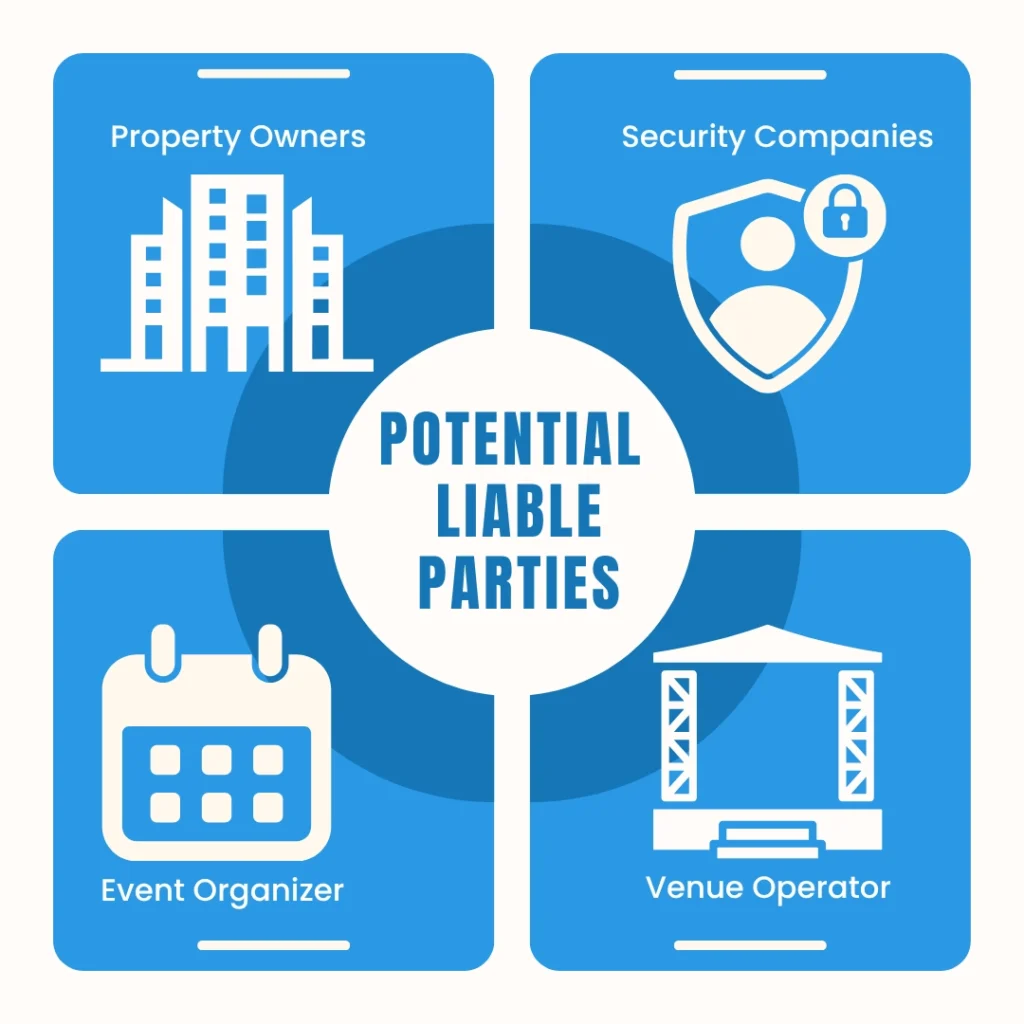
Who May Be Held Responsible
Civil claims following a mass shooting are not limited to the individual who carried out the act. Depending on the circumstances, liability may extend to other parties whose actions or omissions contributed to the event.
Responsible parties may include:
- Property owners and managers
- Event organizers and venue operators
- Security companies and personnel
- Businesses responsible for maintaining safe premises
- Other entities with a duty to provide reasonable safety measures
Identifying all responsible parties requires a thorough review of available evidence, including security practices, prior incidents, and applicable safety standards.
Compensation Available to Victims and Families
Victims of mass shootings and their families may be entitled to compensation for the full impact of their losses. Civil claims focus on addressing both the immediate and long-term consequences of these events.
Recoverable damages may include:
- Medical expenses for injuries sustained
- Ongoing treatment and rehabilitation costs
- Lost income and reduced earning capacity
- Pain and physical suffering
- Emotional distress and psychological trauma
- Loss of normal life
- Wrongful death damages for surviving family members
The value of a claim depends on the severity of injuries, the extent of losses, and the strength of the evidence establishing liability.
Why Legal Representation Matters in Mass Violence Cases
Mass shooting cases often involve multiple defendants, complex legal issues, and significant factual investigation. These cases may also involve parallel criminal proceedings, media attention, and coordination among multiple claimants.
Defendants in these cases are often represented by experienced legal teams working to limit liability. Establishing responsibility requires a clear legal strategy, access to resources, and the ability to present the case effectively.
Nationally recognized mass torts attorney David Neiman approaches these cases with the same trial-focused mindset that defines our practice. This includes investigating the circumstances of the event, working with appropriate experts, and preparing each case to be presented in court when necessary.
If you or a loved one has been affected by a mass shooting, contact Neiman Injury Law Firm at 312-581-1000 to discuss your case.

Frequently Asked Questions
Can I File a Lawsuit if the Shooter Is Already Facing Criminal Charges?
Yes. A civil claim is separate from a criminal case. While criminal proceedings focus on punishment, civil claims are intended to provide compensation to victims and families. You may be able to pursue a claim against other responsible parties regardless of the outcome of the criminal case.
Who Can Be Held Liable in a Mass Shooting Case?
Liability depends on the specific circumstances. In addition to the individual responsible for the shooting, other parties may be held accountable if they failed to take reasonable steps to prevent foreseeable harm. This may include property owners, event organizers, or security providers.
How Long Do I Have to File a Claim in Illinois?
In Illinois, personal injury and wrongful death claims are generally subject to a two-year statute of limitations. The specific timeline may vary depending on the jurisdiction, so it is important to speak with an attorney as soon as possible to preserve your rights.